
Why a Holistic & Functional Approach to Fertility Health is Essential
Fertility challenges have drastically increased over the last several decades 5. This trend aligns with other disturbing health issues emerging simultaneously:
- Other Reproductive health trends:
- Declining sperm quality 5
- Increases in adverse pregnancy outcomes (ex. gestational hypertension, gestational diabetes, preeclampsia) 1,6
- Rising rates of preterm birth (babies born before 37 weeks) 8,11
- Increases in low birth weight 8
- Higher rates of NICU admissions 8
- Overall health trends
- Escalating rates of chronic disease (ex. diabetes, heart disease, autoimmune conditions, cancer etc.),7, 8,12
- Growing mental health issues (ex: anxiety and depression) 7, 8, and
- Rising childhood health concerns (ex: childhood obesity, autism, ADHD) 2,3
On a macro, system, level, these trends are alarming and contribute to the mounting disease burden, which places increased demand on our already, at capacity, healthcare systems.
More importantly, on an individual level, fertility challenges carry a heavy physical, emotional and mental toll on both the couples and individuals navigating the journey into parenthood. The experience of infertility can be incredibly difficult, demanding and isolating to say the least.
There is a connection between these health trends and the relationship to fertility that is seemingly being overlooked. And I will challenge that perhaps the current approach to infertility (and to many other health issues) is being looked at all backwards by the traditional medical models.
In this post, we will explore a fertility health approach that flips the narrative: the Holistic & Functional Approach. We will discuss the foundational principles behind this model and outline how you can start to view your fertility in a new light.
The Traditional Model of Fertility Support
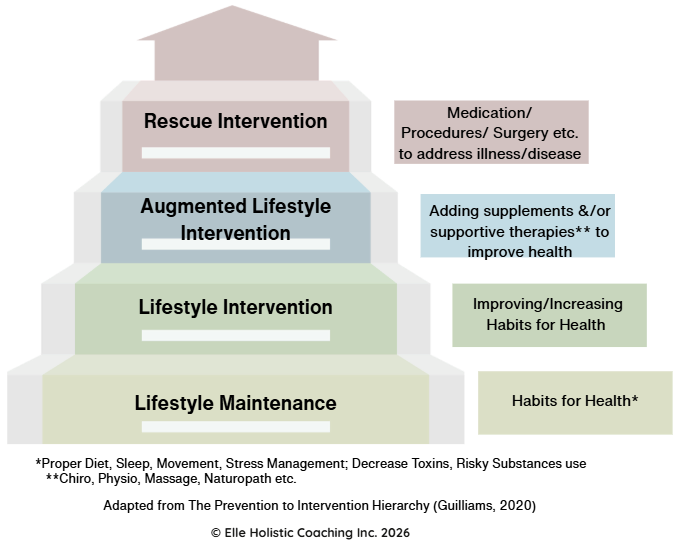
The current approach to fertility challenges often jumps straight to what are termed “Rescue Interventions” 4; what should be the last step in ‘treatment’ options. By jumping ahead to invasive options like assisted reproductive technologies (ART)—including Clomid, intrauterine insemination (IUI), and in vitro fertilization (IVF), foundational strategies that should be the first steps are completely dismissed or not adequately supported to improve and optimize. While there is certainly a time and place for these ‘rescue’ interventions, I believe they should not be the first line of defence we start with but rather one of the last approaches we take after the foundational options have been exhausted.
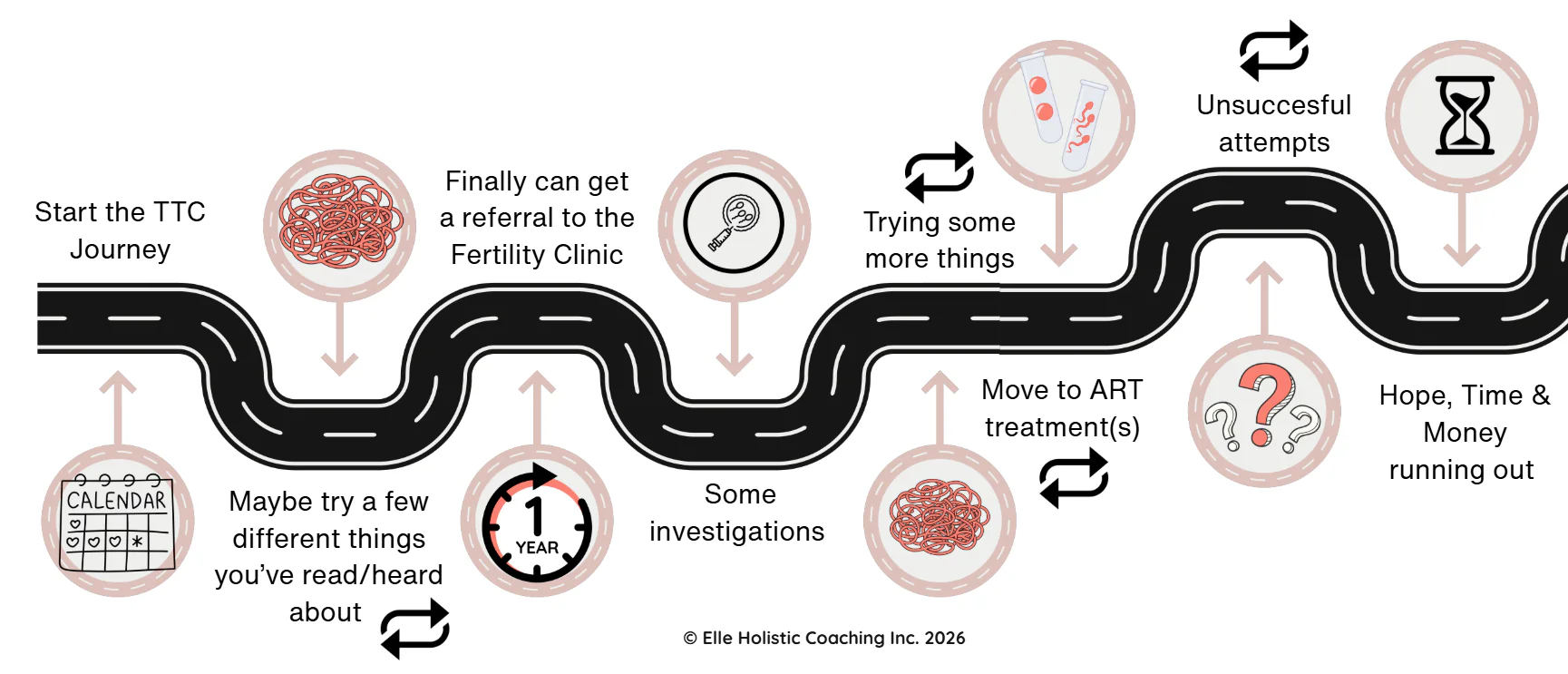
The classic* “trying to conceive” (TTC) journey often looks like this:
- You begin trying to conceive.
- If after a few months and it’s not working, you may start to try different things you’ve read or heard about and may even visit your Primary Care Provider for support (analogy- you are throwing spaghetti at the wall and seeing what might stick/work).
- Fact: On average, it takes a couple 5 or 6 months to get pregnant 10.
- After 1 year of TTC, you finally “qualify” for a referral to a fertility clinic.
- Some investigations will take place but may be inconclusive (and often fully investigating the foundational aspects of health).
- Fertility Treatment Plans typically jump straight to assisted reproductive technologies (ART), leaving you feeling frustrated and without clear answers regarding the sources of your fertility challenges.
- You may be successful with ART or may not.
- If not, time continues to pass. Your age and money (among other things), start to become increasingly pressing factors, and you still lack understanding of what you can actively do to enhance your fertility.
- It’s stressful, lonely and you feel desperate, fear and anger around all of it.
Note: I acknowledge that this experience does not represent every TTC journey, but it reflects the reality for a significant number of couples.
Why a Holistic & Functional Approach is Needed in Fertility Health
To truly optimize fertility, it’s vital to address the foundations of your overall health first. Your fertility should be viewed as a symptom- or a sign of how your whole being (body-mind-soul) is working. From a biological standpoint, fertility thrives in a parasympathetic state, where the body is relaxed and ready to “rest, digest, and mate,” as opposed to a stressed, survival mode. When fertility challenges arise, it’s a signal that your body no longer feels safe to conceive; instead, it prioritizes addressing the stressors impacting your system.
A holistic perspective examines you and your health through a multifaceted lens, considering the intricate interplay of mind, body, soul, and beyond. Meanwhile, a functional and lifestyle approach delves into the physiological workings of your body & contributing lifestyle habits to uncover factors that contribute to this sense of unease in the body.
By blending the two perspectives together, we illuminate the interconnectedness of your health, exploring all dimensions that contribute to your overall well-being. This process takes time and requires a willingness to explore from both the client and provider sides.
Regardless of the health challenges you may face, a holistic perspective consistently points to a core principle: your symptoms are a reflection of something deeper within the many facets of your health.
So, with your fertility serving as a mirror of your overall health status, what insights does that reflection reveal? That’s what I’m here to help you uncover.
A Holistic & Functional Nurse’s Approach to Fertility
As a Holistic, Functional, and Lifestyle Registered Nurse, my goal is to conduct a thorough exploration of all facets of your health, leaving no stone unturned. Together, we will gently and strategically target the root causes that may be hindering your fertility and develop an actionable plan that puts you in full control.
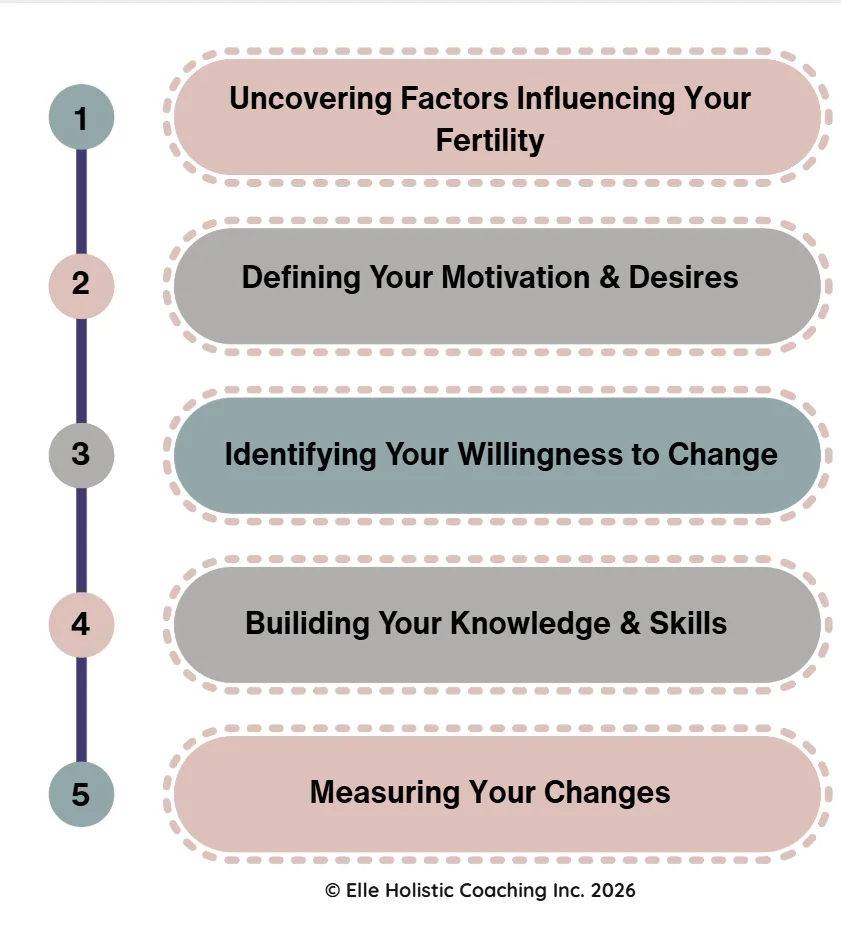
Steps We Will Take in the Coaching Container:
- Assessment: Uncovering the factors that may be hindering or helping your fertility by looking at the data from your health history and labs.
- Desire: Defining your motivation, drive and deeper dreams and desires about becoming pregnant and moving into parenthood
- Planning: What are you willing to change in your life to support your goal of getting pregnant
- Implementation: What new knowledge and skills do you need to support you in taking action on these changes
- Evaluation: Defining how you will measure success in your health (not just your fertility)
How You Can Start to Look at Your Fertility in a Different Way
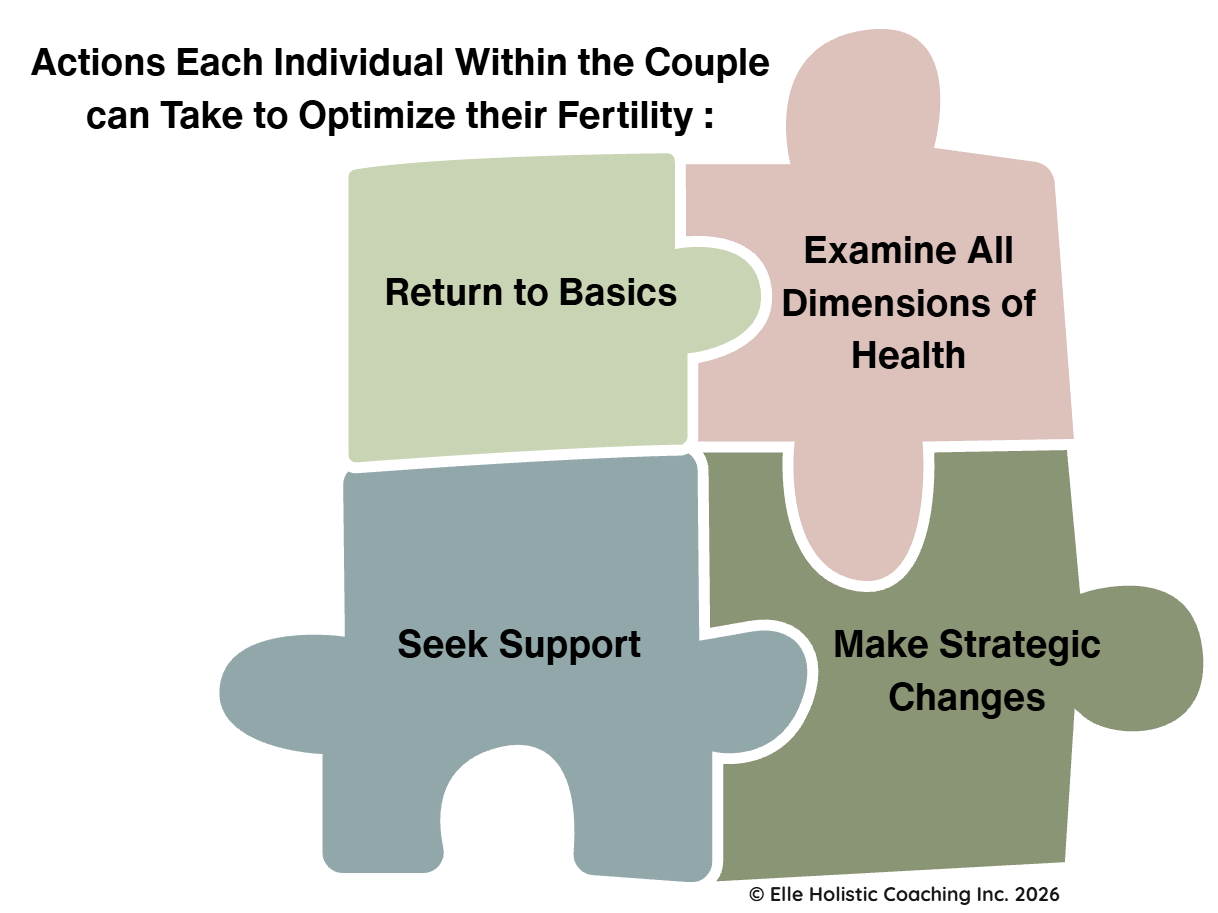
Navigating fertility can be a complex and often overwhelming journey, leading to many feelings including confusion and being out of control. As a holistic provider, I believe in empowering individuals to reclaim that sense of control over their health. There are numerous factors within your grasp that can influence your fertility. Let’s start exploring those together. Below are actionable steps BOTH partners can take to embrace this mindset and empower yourself on your fertility journey.
- Return to Basics
- Understand Your Cycle: Familiarize yourself with your menstrual cycle and the signs your body provides throughout it.
- Timing of Intercourse: Synchronizing sexual activity with ovulation is key to conception and is one of the simplest steps you can take to address fertility challenges.
- Confirm Anatomical Health: Consider checking for any anatomical or structural differences in BOTH partners, such as uterine health and sperm quality.
- Evaluate Progress: If you’ve nailed the timing and confirmed anatomical health but are still experiencing difficulties, move on to the next step.
- Examine All Dimensions of Health as a Couple
- Assess Current Habits: Identify both you and your partner’s health habits and behaviors in various areas, including:
- Diet & Nutrition / Gut Health
- Sleep
- Stress Management
- Movement & Exercise
- Toxins & Environmental Exposures
- Hormonal Patterns (insulin, adrenal, thyroid, sex hormones)
- Use of Risky Substances (drugs, alcohol)
- Mindset & Emotions
- Identify Influencing Factors: After evaluating these dimensions, ask yourselves: What is hindering your fertility, and what is supporting it?
- Note: This assessment requires knowledge of factors that influence fertility.
- Take Micro-Actions to Change Hindering Behaviors
- Implement Small Changes: Start making targeted, strategic changes to address the behaviors that are hindering your fertility, rather than trying random solutions.
- Seek Support
- Engage a Practitioner: Consult with a holistic and/or functional practitioner who can guide you through any of the steps outlined above.
- Assess Current Habits: Identify both you and your partner’s health habits and behaviors in various areas, including:
Closing
Embarking on your fertility journey can feel daunting, but by embracing a holistic and empowered approach, you can regain control over your health and fertility. Remember, small, strategic changes in both partners can lead to significant progress.
Your fertility is a reflection of your overall well-being, and by investing in yourself, you are taking the crucial first steps toward a brighter future, not just for you but for future generations to come.
Next Steps
You are not alone in this process; seeking support and guidance is key. Ways I can support you in your fertility journey:
- If you want to share your journey with me so far and see on how I can support you going forward, book a Free Discovery Call
- Subscribe to get future posts where we break down more specific fertility (& beyond) related topics
Disclaimer: The information provided is for educational and informational purposes only and does not constitute providing medical advice, nor should it be used for diagnosing or treating a medical condition or disease. Always seek the advice of your doctor or other qualified health provider regarding a medical condition.
References
1 Crump C, et al. (2024). Adverse pregnancy outcomes and long-term mortality in women. JAMA Internal Medicine; 184(6):631-640. doi: 10.1001/jamainternmed.2024.0276.
2 Dufault, R.J., et al. (2023). Higher rates of autism and attention deficit/hyperactivity disorder in American children: Are food quality issues impacting epigenetic inheritance? World Journal of Clinical Pediatrics; 12(2):25–37. doi: 10.5409/wjcp.v12.i2.25
3 Garcia-Argibay, M., et. al. (2024). Trends in Body Mass Index Among Individuals With Neurodevelopmental Disorders. JAMA Network Open; 7(9): e2431543. doi:10.1001/jamanetworkopen.2024.31543
4 Guilliams, T.G. (2020). The Role of stress and the HPA axis in chronic disease management: principles and protocol for healthcare professionals (2nd edition). Point Institute, Stevens Points, WI.
5 Levine, H., et al. (2023). Temporal trends in sperm count: a systematic review and meta-regression analysis of samples collected globally in the 20th and 21st centuries. Human Reproduction Update, 29(2), 157-176. DOI: 10.1093/humupd/dmac035
6 Lin, Y-W., et. al. (2021). Population‑based study on birth outcomes among women with hypertensive disorders of pregnancy and gestational diabetes mellitus. Scientific Reports, 11:17391. https://doi.org/10.1038/s41598-021-96345-0
7 OECD (2025), Health at a Glance 2025: OECD Indicators, OECD Publishing, Paris, https://doi.org/10.1787/8f9e3f98-en.
8 ProgenyHealth. (2026). 2026 Trends Report: Policy, Peril & Possibilities (maternal and infant health trends report). https://www.progenyhealth.com/resource/2026-trends-report-policy-peril-possibilities/
9 Vollmar, A.K.R. (2025). The menstrual cycle: a vital sign across the lifespan. The Lancet Obstetrics, Gynaecology, & Women’s Health, Volume 1, Issue 2e141-e145. https://www.thelancet.com/journals/lanogw/article/PIIS3050-5038(25)00001-9/fulltext
10 The Society of Obstetricians and Gynaecologists of Canada. (n.d.). Fertility. https://www.pregnancyinfo.ca/before-you-conceive/fertility/
11 World Health Organization (WHO). (2023). 152 million babies born preterm in the last decade. https://www.who.int/news/item/09-05-2023-152-million-babies-born-preterm-in-the-last-decade
12 Xiao, X-P., et al. (2026). Global landscape of autoimmune diseases across different lifespan: A three-decade perspective. Medicine; 105(2):e47140. doi: 10.1097/MD.0000000000047140